
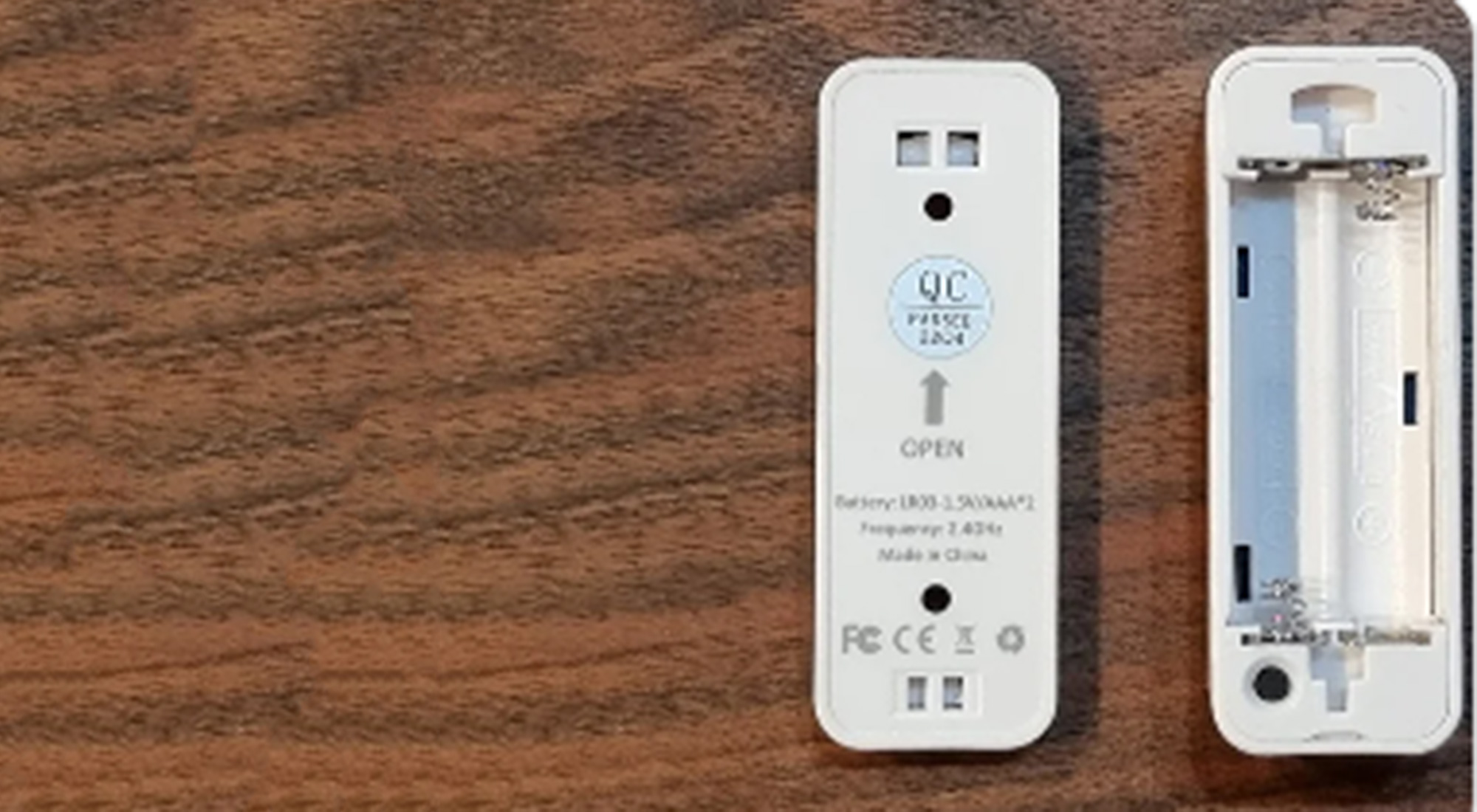
Battery Solutions for Temperature & Humidity Sensors (IoT)
Temperature and humidity sensors are the “nerve endings” of modern IoT systems, widely used in smart homes, smart agriculture, cold-chain logistics, warehouses, HVAC, and industrial monitoring. These compact devices demand ultra-low power consumption, multi-year service life and stable wireless communication, while keeping maintenance close to zero.:contentReference[oaicite:0]{index=0}
🌍 Industry Background: Why Sensor Batteries Matter
Most temperature and humidity sensors are installed in places that are hard to reach or widely dispersed: ceiling ducts, cold rooms, greenhouses, containers, utility rooms or distributed field nodes. Once deployed, customers expect them to operate reliably for 2–10 years without frequent battery replacement.
To meet these expectations, high-performance lithium batteries have become the mainstream choice for IoT sensor power, including:
- Primary ER lithium batteries for ultra-low power nodes
- Rechargeable Li-ion battery packs for frequent wireless communication
- LiFePO₄ batteries for harsh outdoor and high-temperature environments
🚧 Pain Points of Temperature & Humidity Sensor Power
1️⃣ Small Size, But Multi-Year Lifespan
Most temperature and humidity sensors are coin-sized or matchbox-sized, yet they must run for years. This creates a contradiction: very limited battery volume, but a requirement for very long lifetime. If the battery selection is not optimized, the sensor may fail far earlier than expected.
2️⃣ Harsh & Variable Environments
Typical deployment environments include:
- Cold storage and refrigerated trucks (low temperature, high humidity)
- Greenhouses and farms (temperature swings, condensation, dust)
- Warehouses and basements (damp, poorly ventilated)
- Server rooms and data centers (elevated temperature, continuous operation)
The battery must maintain stable capacity and voltage under these conditions, otherwise sensor readings become unreliable or devices shut down unexpectedly.
3️⃣ Need for Stable Pulse Discharge
Although sensors stay in ultra-low-power sleep mode most of the time, every wireless transmission generates a current pulse of 70–130mA for LoRa, NB-IoT, Zigbee, Wi-Fi or BLE. If the battery cannot provide a stable pulse, the device may reset, lose connection, or fail to send data.
4️⃣ High Maintenance Cost if Lifetime Is Short
Once hundreds or thousands of sensors are installed, maintenance cost becomes critical. Climbing ladders in warehouses, entering cold rooms, or visiting remote sites just to replace batteries is time-consuming and expensive. A well-designed IoT battery solution can dramatically reduce total cost of ownership.
✅ PKNERGY Battery Solution Value for IoT Sensors
Based on different deployment scenarios, PKNERGY provides three main types of temperature & humidity sensor battery solutions to help IoT manufacturers balance lifetime, size and cost.
🔋 A. ER Primary Lithium Batteries — 5–10 Years Ultra-Long Life
For extremely low-power sensors that send data infrequently (for example every few minutes or hours), primary ER lithium batteries are the first choice.
Recommended models: ER14250 / ER14505 / ER18505 / ER26500
- Nominal voltage: 3.6V
- Very high capacity in compact size
- Ultra-low annual self-discharge <1%, ideal for 5–10 year projects
- Excellent performance in low-temperature environments
These ER cells are particularly suitable for:
- Warehouse temperature & humidity loggers
- Data loggers in cold-chain transportation
- Smart building sensors with low reporting frequency
With proper power management, one ER battery can power a sensor for the entire project lifetime, achieving a true “install and forget” experience.
🔁 B. Rechargeable Li-ion Batteries — For High Pulse Communication
For sensors that transmit data frequently, or that support firmware upgrades, rechargeable Li-ion battery packs provide stronger pulse discharge and more flexible energy use.
Typical specification:
- Voltage: 3.7V nominal
- Capacity: 400–1200mAh (customizable)
- Discharge rate: stable 1C continuous
- Supports LoRaWAN, NB-IoT, Wi-Fi, BLE, Zigbee and other communication modules
These packs can be paired with solar panels, energy harvesting modules, or USB charging to create rechargeable IoT nodes, reducing battery waste and improving sustainability.
PKNERGY can customize Li-ion battery packs for IoT sensors including PCM/BMS, connectors and mechanical housing, ensuring safe, stable and efficient operation throughout the lifecycle.
🌡 C. LiFePO₄ Batteries — For Harsh & Outdoor Environments
For outdoor devices and industrial applications where safety and cycle life are critical, PKNERGY recommends LiFePO₄ battery solutions.
Best suited for:
- Outdoor agricultural monitoring and weather stations
- Roadside, tunnel or bridge environment sensors
- High-temperature / high-humidity industrial environments
Advantages of LiFePO₄:
- Inherently safer chemistry with excellent thermal stability
- Very long cycle life for continuous charge/discharge scenarios
- Good performance at high temperature and in humid environments
When combined with solar or other energy harvesting, LiFePO₄ batteries can power remote monitoring systems for many years with minimal human intervention.
📊 Technical Insights: Typical Sensor Power Profile
A typical temperature & humidity sensor’s power profile looks like this::contentReference[oaicite:1]{index=1}
- Sleep mode: 1–5 μA — device spends >99% of time here
- Measurement mode: 5–20 mA — sensor wakes, samples data
- Wireless pulse: 70–130 mA — sends data via radio (LoRa / NB-IoT / Zigbee / Wi-Fi / BLE)
Therefore, the battery must satisfy several key requirements:
- Stable pulse discharge: handle repeated communication peaks without voltage drop
- Excellent self-discharge performance: retain capacity over many years of standby
- Wide operating temperature range: suitable for cold storage, outdoors and mechanical rooms
- High reliability: ensure long-term deployment without frequent service calls
PKNERGY engineers can work with your R&D team to analyze your device’s actual current curve and select or design the most suitable IoT battery pack, including ER, Li-ion, or LiFePO₄ chemistry.
🏭 Typical Application Scenarios
PKNERGY’s IoT battery solutions for temperature & humidity sensors are widely used in:
- Smart greenhouses and agricultural monitoring
- Cold-chain transportation and cold storage facilities
- Warehouses, logistics centers and storage rooms
- Data centers, telecom rooms and server facilities
- Smart home systems and HVAC control
- Industrial environment monitoring and safety systems
🔚 Conclusion: Reduce Maintenance, Improve Reliability
Temperature and humidity sensors place strict demands on battery performance — combining long lifespan, high safety and stable pulse output. A well-matched battery solution is the foundation of a reliable IoT system.
With deep experience in custom lithium battery packs, PKNERGY provides ER, Li-ion and LiFePO₄ solutions tailored to your device’s power profile, communication mode and deployment environment. This helps you:
- Extend sensor lifetime to 5–10 years in the field
- Reduce site visits and maintenance labor
- Improve data reliability and end-user satisfaction
Whether you are designing a new temperature & humidity sensor, or upgrading an existing product line, PKNERGY can provide a fast, professional and reliable battery solution.
📩 Ready to Customize Your IoT Sensor Battery?
👉 Contact PKNERGY today to customize your temperature & humidity sensor battery solution.
📞 Contact Cassie | PKNERGY Energy Co., Ltd.
Cassie | PKNERGY Energy Co., Ltd.
Email: sale4@pknergy.com
WhatsApp/Tel: +86 13974604556
Website: www.pknergy.com & www.pknergypower.com