
info@pknergybattery.com
Intro: Why Pouch Batteries Are Widely Used Today
Pouch batteries, also known as lithium-ion polymer batteries in pouch format, have gained popularity due to their lightweight structure, design flexibility, and high energy efficiency. From consumer electronics and electric vehicles to medical and wearable devices, pouch cells are widely adopted in applications where compact size, performance, and customization are essential.
What Is a Pouch Battery?
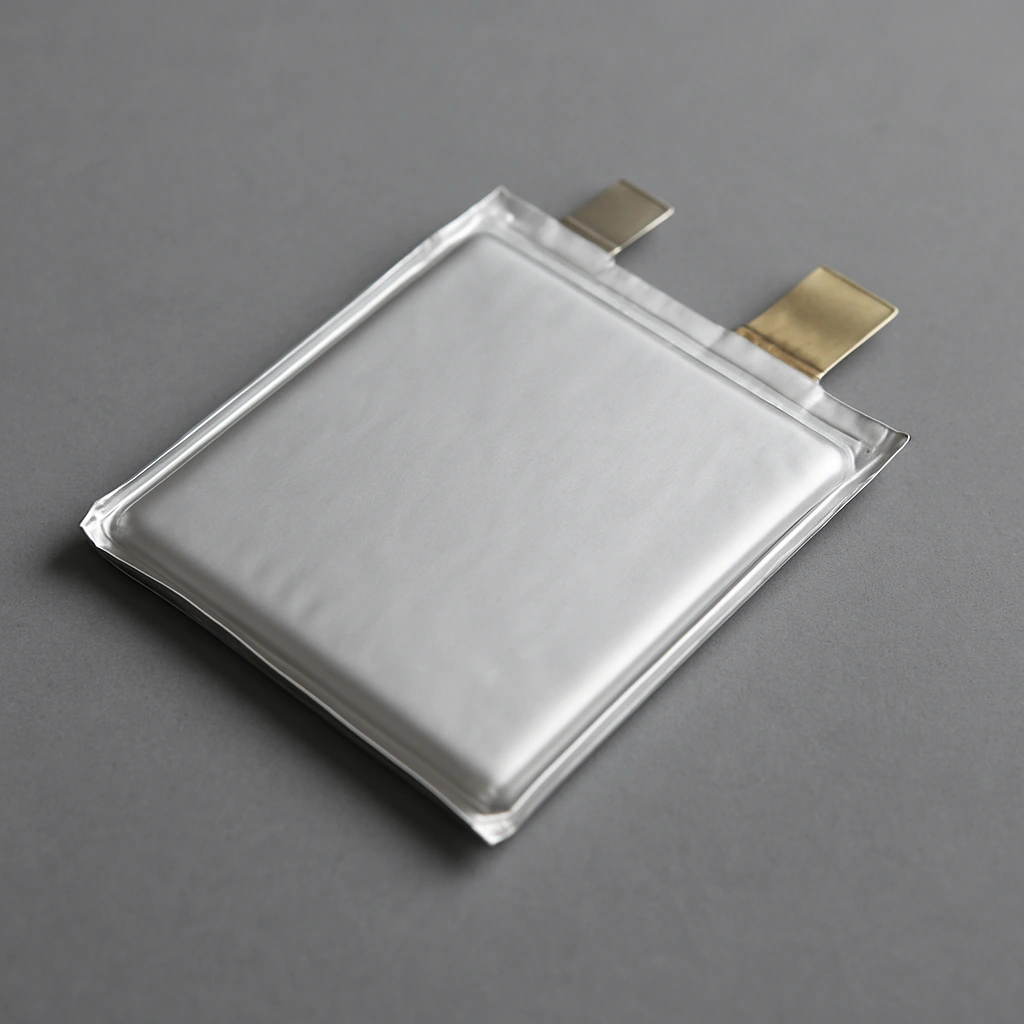
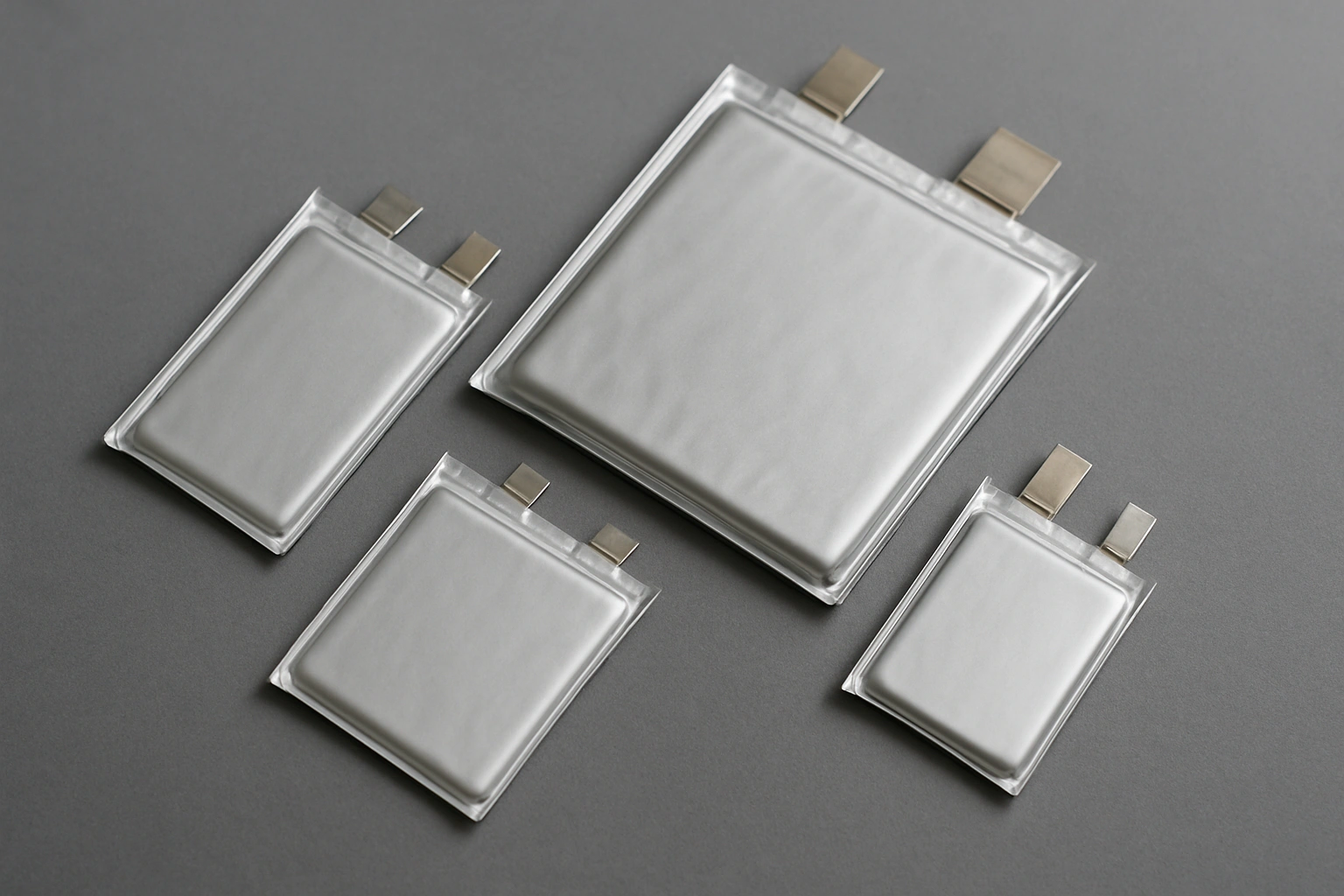
A pouch battery is a type of lithium-ion or lithium polymer battery that uses a sealed flexible aluminum laminate film instead of a rigid metal casing (as used in cylindrical or prismatic batteries).
Its internal components are stacked or wound layers of electrodes, separated by a porous film and filled with electrolyte, then enclosed in a heat-sealed pouch.
What Material Is Pouch Battery?
The outer casing of a pouch battery is made of multi-layer aluminum-plastic film, consisting of:
-
Outer layer: Nylon (mechanical protection)
-
Middle layer: Aluminum foil (barrier against moisture and gases)
-
Inner layer: PP/PE polymer (heat sealable and chemically resistant)
Inside the pouch are lithium-ion cell components: cathode (LiCoO₂, NMC, LFP, etc.), anode (graphite), separator, and electrolyte.
How Are Pouch Batteries Made?
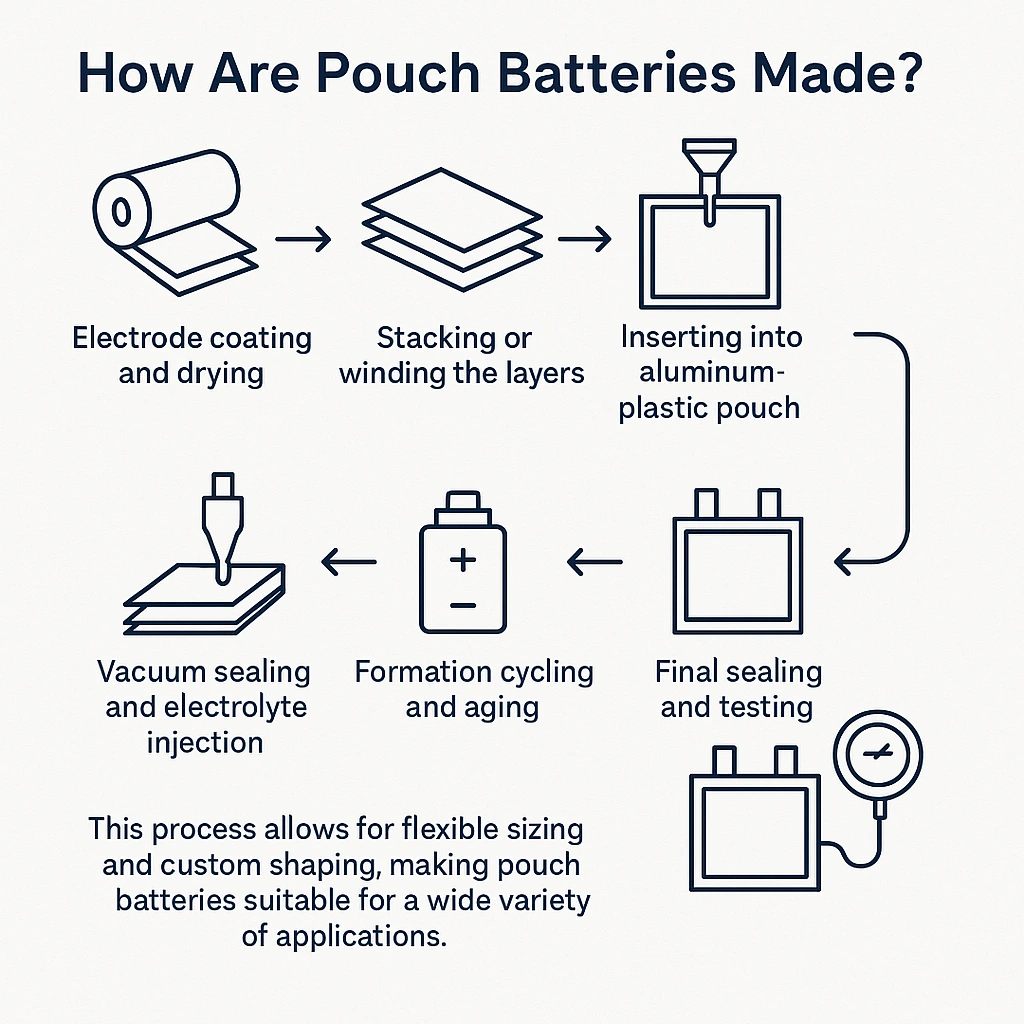
Pouch batteries are manufactured through a combination of the following steps:
-
Electrode coating and drying
-
Stacking or winding the layers
-
Inserting into the aluminum-plastic pouch
-
Vacuum sealing and electrolyte injection
-
Formation cycling and aging
-
Final sealing and testing
This process allows for flexible sizing and custom shaping, making pouch batteries suitable for a wide variety of applications.
Are Pouch Batteries Safe?
Yes, pouch batteries are generally safe when designed and used correctly. However:
-
The flexible casing is more vulnerable to puncture or swelling, especially without a protective enclosure.
-
They require a Battery Management System (BMS) to monitor temperature, voltage, and current.
-
Certified production, high-quality materials, and proper packaging are critical to avoid safety risks.
Overall, pouch cells have a good safety record in smartphones, tablets, drones, and EVs.
What Voltage and Capacity Are Pouch Cells?
Typical voltage and capacity ranges:
-
Nominal voltage: 3.2V (LiFePO₄), 3.6V / 3.7V (NMC, LCO)
-
Capacity: From <100mAh (wearables) to 100Ah+ (EV/ESS)
-
Configuration: Available as single cells or assembled into custom battery packs
Pouch cells can be ultra-thin (<1mm) or scaled up for large-format applications.
What Are the Advantages of Pouch Cells?
-
Flexible design: Can be made in various shapes and thicknesses
-
High energy density: Efficient use of internal space
-
Lightweight: No heavy metal housing
-
Lower internal resistance: Improved output performance
-
Customizable for OEM applications
What Are the Disadvantages of a Pouch Cell Battery?
-
Less mechanical protection: Requires external housing for protection
-
Susceptible to swelling due to gas formation or aging
-
Slightly higher cost in small batches compared to cylindrical cells
-
More sensitive to production quality (laminate seal integrity must be perfect)
What Is the Use of Pouch Battery?
Pouch batteries are widely used in:
-
Consumer electronics: Smartphones, tablets, laptops
-
Medical devices: Hearing aids, insulin pumps, portable monitors
-
Wearables: Fitness bands, smartwatches
-
RC and drones: Lightweight with high discharge
-
Electric vehicles (EVs): Large-format pouch cells used in battery modules
-
Custom industrial products: Where space-saving and weight reduction are priorities
Common Types of Pouch Batteries
Pouch cells are categorized by chemistry and use case. Common types include:
-
LiCoO₂ (LCO): High energy density for smartphones
-
NMC (LiNiMnCoO₂): Balanced performance, widely used in EVs
-
LiFePO₄ (LFP): Excellent safety, long cycle life (used in energy storage and light EVs)
-
High-rate polymer batteries: For drones and RC applications
-
Ultra-thin or curved polymer cells: For smart cards, wearable patches
Conclusion: Pouch Batteries Enable Compact Power for Modern Devices
Pouch batteries offer an optimal solution for projects requiring lightweight, compact, and customizable power sources. With growing demand across industries—from consumer electronics to industrial IoT—pouch cell technology continues to be a flexible and scalable option for modern energy storage.
When combined with certified safety features and reliable manufacturing, pouch batteries can meet both design and performance expectations.

RELIABLE · ROBUST · POWERFUL
Copyright © 2026 Shenzhen Pknergy Energy Co Ltd . All Rights Reserved | Privacy Policy | Terms & Conditions | Cookie Policy