Recommended Lithium-Ion Batteries for Cold Weather
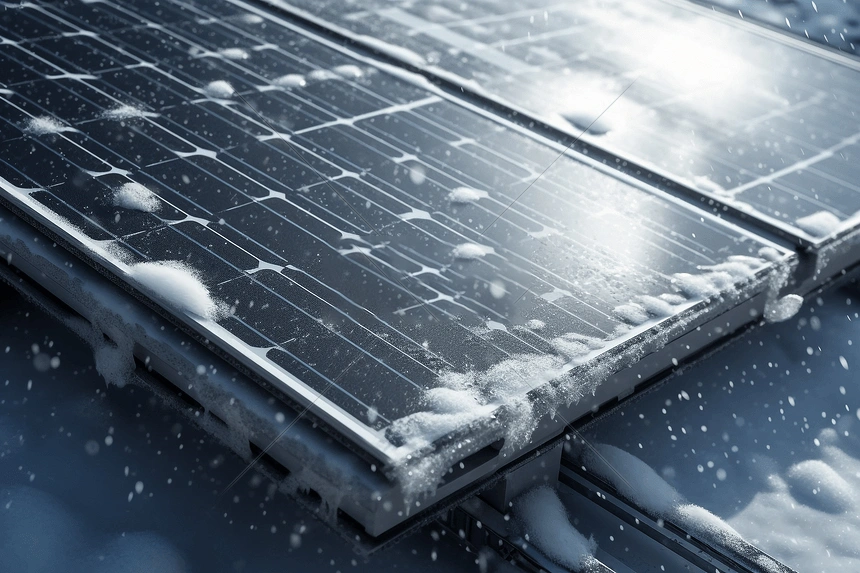

Cold weather impacts lithium-ion batteries by reducing their efficiency and capacity. The internal chemical reactions slow down, leading to a decrease in energy output and slower charge rates. In extreme cases, batteries may fail to charge or discharge properly.
Cold temperatures increase the internal resistance of lithium-ion batteries. This slows down the movement of lithium ions between the electrodes, reducing the battery’s ability to deliver power. Additionally, electrolyte viscosity increases, further hindering the electrochemical processes.
Certain lithium-ion chemistries are better suited for cold environments:
For cold climates, choosing the right lithium-ion battery chemistry and adopting proper usage practices can significantly enhance performance. PKNERGY offers a range of low-temperature lithium-ion batteries designed to excel in freezing conditions. Whether for outdoor adventures, industrial applications, or energy storage, selecting the right battery ensures reliability even in the harshest environments.

Copyright © 2026 Shenzhen Pknergy Energy Co Ltd . All Rights Reserved | Privacy Policy | Terms & Conditions | Cookie Policy

 How to Identify Whether a Battery Is NMC or LFP Without a Label?
Scroll to top
How to Identify Whether a Battery Is NMC or LFP Without a Label?
Scroll to top