
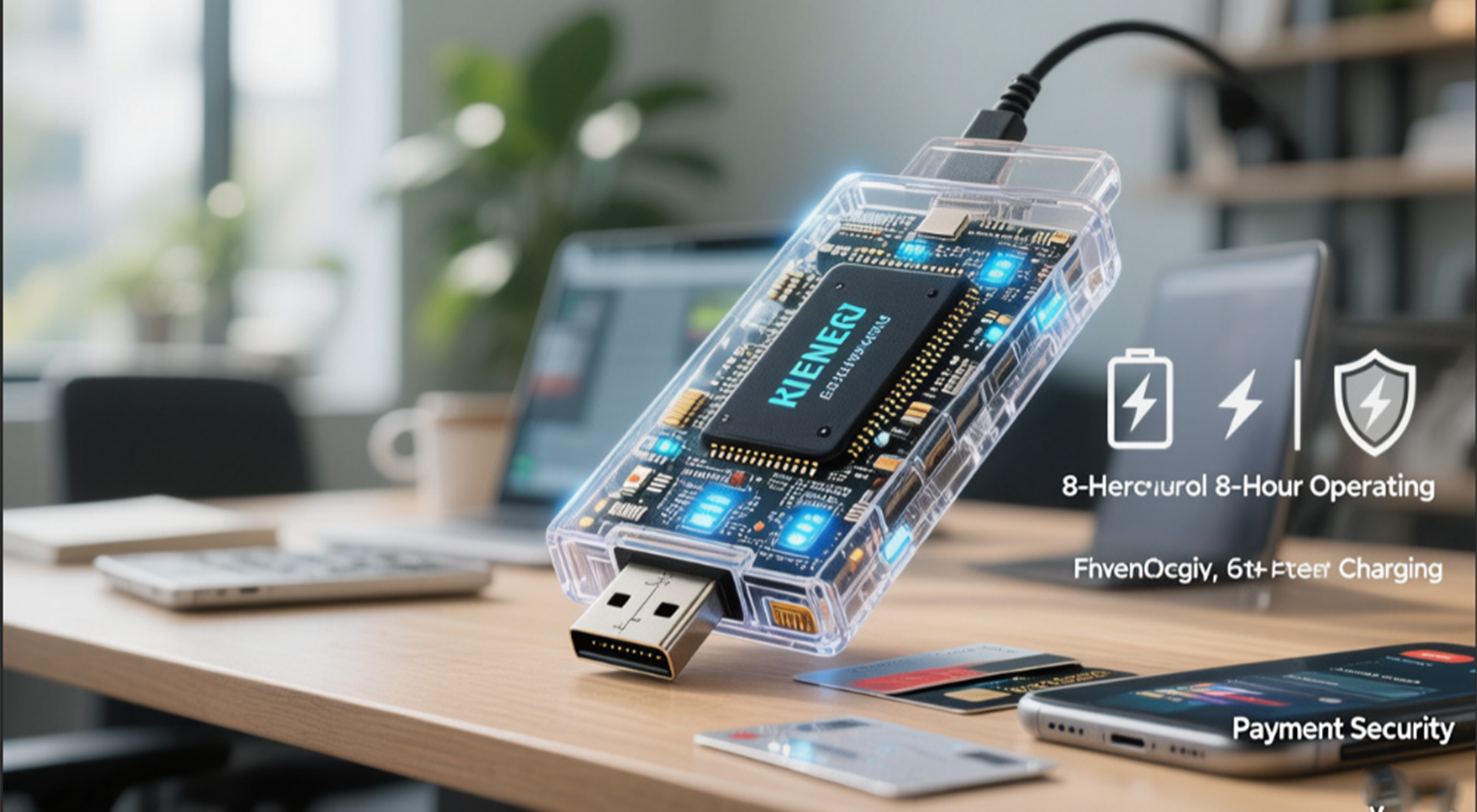
Reliable Power for Portable Card Readers: Why 18650 Lithium Batteries Remain the Industry Standard
Stable, high-density 18650 lithium battery packs engineered for portable card readers, ticketing terminals, and mobile payment devices.
Industry Background: Why Power Matters for Portable Card Readers
Portable card readers have become indispensable in modern commercial and industrial operations. From retail checkout and
transportation ticketing to handheld payment terminals, logistics scanning, and mobile identity verification, these devices
are at the center of everyday transactions.
A typical portable card reader integrates NFC/RFID modules, secure encryption chips, wireless communication (Bluetooth,
Wi-Fi, 4G/5G), and compact displays. All of these subsystems demand a stable, high-density power source in a very limited
space. Among all available battery technologies, the cylindrical 18650 lithium-ion cell remains one of the
most reliable and widely adopted choices for OEM card reader designs.
For device brands that need differentiated performance or special size/configuration, a
custom Li-ion polymer battery solution
or cylindrical 18650 pack design is often required to perfectly match internal structure, runtime, and certification targets.
Key Power Pain Points in Portable Card Readers
Battery design for portable card readers is not just about capacity. It must also address several critical pain points that
directly affect user experience, transaction reliability, and device lifetime.
- High Peak Current During Card Reading & Data Transmission
When the reader performs card authentication, encryption, wireless data transmission, or prints receipts (for some models),
the system experiences short but sharp current spikes. The battery must support these peaks without voltage drop that can
cause communication errors or system resets. - Long Standby with Instant Activation
Many handheld terminals remain in low-power standby mode for long periods and must instantly wake up to process
transactions. Low self-discharge and excellent standby performance are therefore essential. - Limited Internal Space
Designers must integrate the battery with PCB, wireless modules, antenna, keys, and display in a highly compact enclosure.
The battery pack must be slim, safe, and easy to fix inside the housing. - High-Frequency Usage Requirements
In retail peak hours or busy public transportation environments, devices may process hundreds or thousands of transactions
per day. The battery must support frequent charge/discharge cycles with reliable performance over its service life. - Strict Safety Requirements for Encrypted/Financial Devices
Card readers belong to security-sensitive equipment. Any abnormal power behavior may cause data loss, transaction failure,
or even security risks. High-reliability cells plus a robust protection circuit are mandatory.
Why 18650 Lithium Batteries Are an Ideal Choice
The 18650 lithium-ion cell has matured over many years of development and is widely used in tools, industrial devices,
and portable electronics. For portable card readers, it offers a combination of performance, safety, and cost that is
difficult to beat.
- High Energy Density
Typical capacities range from 2400–3500 mAh per cell, allowing compact packs with sufficient runtime for
a full work shift. - Stable Discharge Curve for Peak Loads
A flat discharge curve helps keep system voltage stable during wireless bursts, card reading, and printing. - Long Cycle Life
NMC/NCA chemistries commonly achieve 800–1500 cycles, while
LiFePO4 battery customization
can exceed 2000+ cycles where ultra-long life is required. - Strong Safety Characteristics with BMS Protection
When combined with a professional PCM/BMS (OVP, UVP, OCP, SCP, NTC), 18650 packs deliver safe and predictable performance
for financial and security applications. - Flexible Customization for OEM Integration
1S or multi-cell 18650 configurations can be arranged in different layouts, with customized harness, connectors, and
mechanical design to fit each card reader platform.
18650 vs. Other Common Battery Options for Portable Card Readers
| Battery Type | Typical Voltage | Energy Density | Cycle Life | Safety & Protection | Suitability for Card Readers |
|---|---|---|---|---|---|
| 18650 Li-ion (NMC/NCA) | 3.6–3.7 V | High | 800–1500 cycles | Good with PCM/BMS | Excellent balance of cost, size & runtime |
| 18650 LiFePO4 | 3.2 V | Medium | 2000+ cycles | Very high safety margin | Best for long-life, harsh-environment devices |
| Prismatic Li-ion | 3.6–3.7 V | High | 600–1000 cycles | Good | Used where special size or ultra-thin shape is needed |
| Ni-MH | 1.2 V | Low | 500–800 cycles | Good | Lower energy density; not ideal for compact readers |
Technical Insights: How 18650 Packs Support Real-World Operation
Beyond cell selection, professional power system design ensures that the card reader operates stably in real-world scenarios.
Key technical characteristics include:
- Low Self-Discharge for Long Standby
18650 lithium cells exhibit low self-discharge, which helps devices remain in standby for long periods while still waking up
reliably to process transactions. - Flat Voltage Output
A relatively flat voltage curve during discharge means that RF modules, secure processors, and displays receive stable
voltage, lowering the risk of communication errors. - Multiple Chemistry Options
Depending on priorities (high energy, high power, or ultra-long life), customers can choose from NMC/NCA, LiFePO4,
or high-drain 18650 cells. - Optional PCM/BMS with Multi-Level Protection
Protection features can include OVP, UVP, OCP, SCP, NTC temperature monitoring, and communication functions where required. - Optimized Thermal Performance
Packs are typically designed to operate in 0–50 °C environments, with proper material selection and
mechanical design to support higher reliability.
For industrial handhelds, portable testers, or detection devices with higher power consumption, PKNERGY also offers
dedicated
Portable Detection Device Power Solutions
based on 18650 and other chemistries.
Typical Application Scenarios
18650-based battery packs are widely used in different types of portable card readers and terminal devices:
- Retail Mobile POS Systems
Handheld payment terminals in shops, supermarkets, and restaurants require long runtime and stable wireless communication
throughout a whole day. - Public Transportation Ticketing Terminals
Ticket inspectors and on-board card readers must handle high-frequency tap-in/tap-out transactions with reliable power. - Logistics Scanning & Warehouse Devices
Portable scanners for parcel tracking or warehouse management rely on robust batteries to support continuous scanning and
wireless data upload. - Event Ticketing & Access Control
Temporary or mobile access control systems for events, concerts, and exhibitions rely on handheld devices that need secure
and safe power sources. - Government & Security Identity Verification Tools
ID readers and verification terminals often use secure, customized battery packs that comply with strict safety and
reliability standards.
Many of these devices are part of broader
Security Devices Power Solutions and
Consumer Electronics Power Solutions
, where PKNERGY can design unified battery platforms for multiple product lines.
PKNERGY 18650 Custom Pack Solutions for Card Readers
As a professional custom battery pack manufacturer, PKNERGY provides tailored 18650 battery solutions for portable card
readers and other handheld payment or scanning devices.
Our services include:
- Cell Selection & Pack Design
Selecting the most suitable 18650 cells (NMC/NCA or LiFePO4) based on your runtime, size, and lifetime
requirements. - Customized PCM/BMS Design
Protection and, if needed, communication functions tailored to your system voltage, current, and safety requirements. - Mechanical & Connector Engineering
Pack structure, fixing points, harness, and connector selection designed to fit your internal layout and assembly process. - Certification Support
Support for UN38.3, IEC, CE and other certifications required for transportation and market access. - Flexible OEM/ODM Cooperation
From sample development to mass production, PKNERGY can work closely with your R&D and procurement teams to shorten
project lead time.
Whether you need a classic 18650 pack or a more compact
custom Li-ion polymer battery
for ultra-slim card readers, PKNERGY can design and manufacture a power solution that fits your device perfectly.
If your roadmap also includes emerging chemistries, such as
custom sodium-ion battery solutions
, our engineering team can help evaluate feasibility and plan a technology transition path.
FAQ: Portable Card Reader Battery Design
1. How long can a portable card reader run with a single 18650 cell?
It depends on the device’s average current consumption and the selected cell capacity (for example, 2400–3500 mAh).
For many handheld terminals with optimized firmware and low-power wireless modules, a well-designed 18650 pack can
typically support an entire working shift. We recommend sharing your detailed load profile so PKNERGY can estimate
realistic runtime for your model.
2. When should I choose LiFePO4 18650 cells instead of NMC/NCA?
LiFePO4 is ideal when ultra-long cycle life and very high safety margin are top priorities—for example in
harsh environments or devices expected to last many years. NMC/NCA is still preferred where maximum energy density and
compact size are more important. PKNERGY can help you compare both options based on your project goals.
3. Can PKNERGY customize connectors and harness for our existing card reader design?
Yes. We can customize wire length, wire gauge, connector brand/model, and even add labels or barcodes to support your
production process. This helps you integrate battery packs into your assembly line more efficiently.
4. What safety protections are recommended for 18650 packs used in financial devices?
We usually recommend a PCM/BMS that includes over-charge, over-discharge, over-current, and short-circuit protection,
plus NTC temperature sensing. For high-security financial terminals, additional monitoring or communication functions
can be integrated according to your system requirements.
5. How can we start a custom 18650 battery project with PKNERGY?
You can share your device voltage, current profile, expected runtime, mechanical constraints, certification needs,
and annual quantity. Our engineering team will evaluate and propose a suitable custom battery pack solution, including
cell configuration, protection design, and estimated schedule. To start, simply contact Miah via email or WhatsApp
using the information below.
For more general questions about PKNERGY’s custom battery capability, you can also visit our
FAQ center.
Contact Miah — PKNERGY
Ready to design a reliable 18650 battery pack for your portable card readers or handheld terminals? Get in touch with Miah
for quick technical evaluation and quotation support.
- Name: Miah (崔娟)
- Company: PKNERGY
- Email: sale@pknergy.com
- WhatsApp: +86 139 0246 3897
- Website: https://pknergybattery.com
You can also reach PKNERGY via our social channels:
YouTube,
LinkedIn,
X (Twitter),
Facebook,
TikTok.
Or simply fill out the contact form on our
Contact Us page and our team will reply soon.