
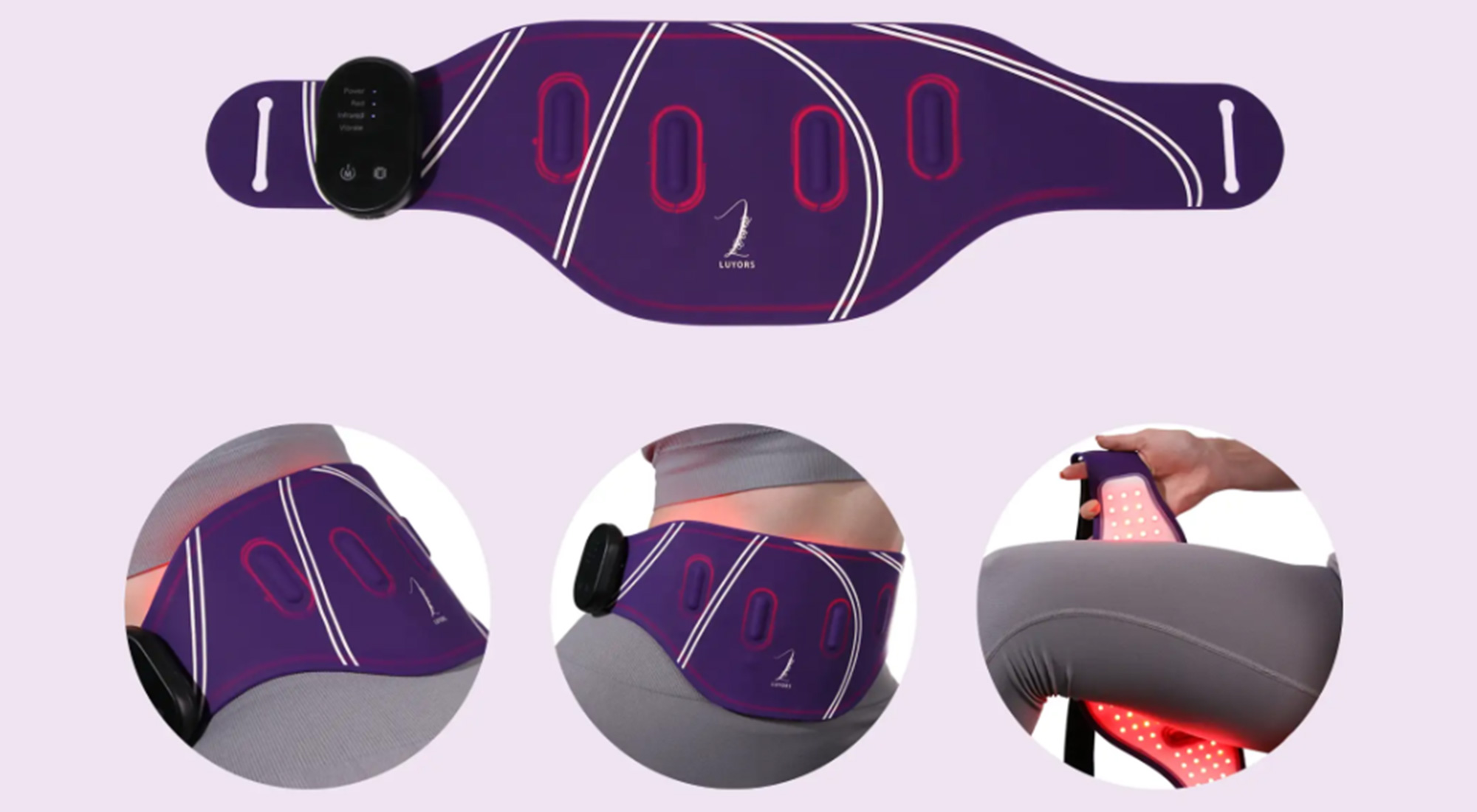
Safe Lithium Battery Applications in Therapy Devices
Compact 3.7V LiPo Power for TENS, EMS & Portable Therapy Equipment
Medical Battery
TENS / EMS
3.7V LiPo
Overview
Portable therapy devices such as TENS and EMS units are designed to be lightweight, compact, and easy to use.
To deliver consistent therapy sessions, these products rely on stable, rechargeable power sources.
Lithium batteries are widely adopted in therapy devices because they enable slim structures, long cycle life, and consistent performance.
For manufacturers, selecting the right battery design is essential to improve user experience and reduce after-sales issues.
Why Lithium Batteries for Therapy Devices?
Compared with traditional batteries, lithium solutions provide higher energy density at lower weight, making them ideal for handheld therapy products.
Rechargeable lithium batteries also support repeated daily charging cycles, which reduces replacement frequency and maintenance cost.
For slim housings and flexible shapes, PKNERGY provides
custom lithium polymer battery
solutions optimized for compact medical devices.
Typical Battery Specs (3.7V 100–500mAh)
Many portable therapy devices use 3.7V lithium polymer batteries in the range of 100mAh to 500mAh.
This capacity range supports extended therapy sessions while keeping the product slim and lightweight.
| Typical Parameter | Common Range | Why It Matters |
|---|---|---|
| Nominal Voltage | 3.7V (1S) | Suitable for compact portable device power architectures |
| Capacity | 100–500mAh | Balances session time with slim structure requirement |
| Chemistry | LiPo (Lithium Polymer) | Flexible size/shape options for tight enclosures |
| Recharge | USB / contact charging (device-dependent) | Improves user convenience and reduces battery replacement |
For advanced models requiring longer runtime, PKNERGY can also design higher-capacity packs through
custom lithium battery design
based on your size constraints and discharge profile.
Engineering Considerations (Protection & Stability)
From an engineering perspective, therapy devices require stable output and safe operation across repeated sessions.
A well-designed lithium battery solution typically includes a protection circuit (PCM/BMS) to reduce risk and improve reliability.
Stable Output
Consistent voltage supports stable pulse control and user comfort across the full discharge range.
Protection Circuit
Overcharge/over-discharge/short-circuit protection helps prevent abnormal battery behavior in daily use.
Cycle Life
Long cycle life reduces replacement frequency and helps maintain long-term device performance.
Integration
Custom connectors, wire length, and pack structure help improve assembly efficiency and consistency.
If your product is part of a broader medical device line, you may also reference our
Medical Device Power Solution.
Procurement Checklist (UN38.3 & IEC62133)
Procurement teams should evaluate both technical capability and compliance readiness when sourcing batteries for therapy devices.
Common considerations include:
- UN38.3 readiness for international transportation of lithium batteries
- IEC62133 alignment (or related standards) depending on target markets and product scope
- Production consistency: stable cell sourcing, process control, and quality inspection
- Customization support: pack dimensions, harness/connector, and integration optimization
For general compliance and design questions, you can also check our
FAQ.
PKNERGY Medical Battery Solutions for Therapy Devices
PKNERGY offers medical-grade lithium polymer batteries for therapy devices, helping manufacturers deliver reliable,
user-friendly solutions to the healthcare market. Our team supports fast evaluation and customization based on your product goals.
- 3.7V LiPo batteries optimized for slim portable therapy units
- Custom capacity and structure design for advanced models
- Protection circuit integration and wiring/connector customization
- Support for global logistics and compliance readiness
FAQ
What battery is commonly used in TENS and EMS devices?
Many portable TENS/EMS devices use 3.7V (1S) lithium polymer batteries, typically around 100–500mAh,
to balance compact size with practical therapy session time.
Why do therapy devices prefer lithium polymer (LiPo) batteries?
LiPo batteries support slim and flexible shapes, making them easier to fit into compact handheld housings,
while still providing stable rechargeable performance.
Do therapy device battery packs need a protection circuit?
In most rechargeable lithium designs, a protection circuit (PCM/BMS) is recommended to improve safety and reliability
by preventing overcharge, over-discharge, overcurrent, and short-circuit risks.
What certifications matter for shipping and compliance?
UN38.3 is commonly required for transportation. IEC62133 (or related standards) may be relevant depending on target markets
and your end-product regulatory scope.
Contact Jennifer — PKNERGY
Need a safe, compact lithium battery for TENS/EMS therapy devices? Send your target voltage, capacity, enclosure size,
and charging method—our team will propose a matched medical-grade LiPo solution.
- Contact: Jennifer
- Email: sale3@pknergy.com
- Mob/WhatsApp/WeChat: +86 13823598934