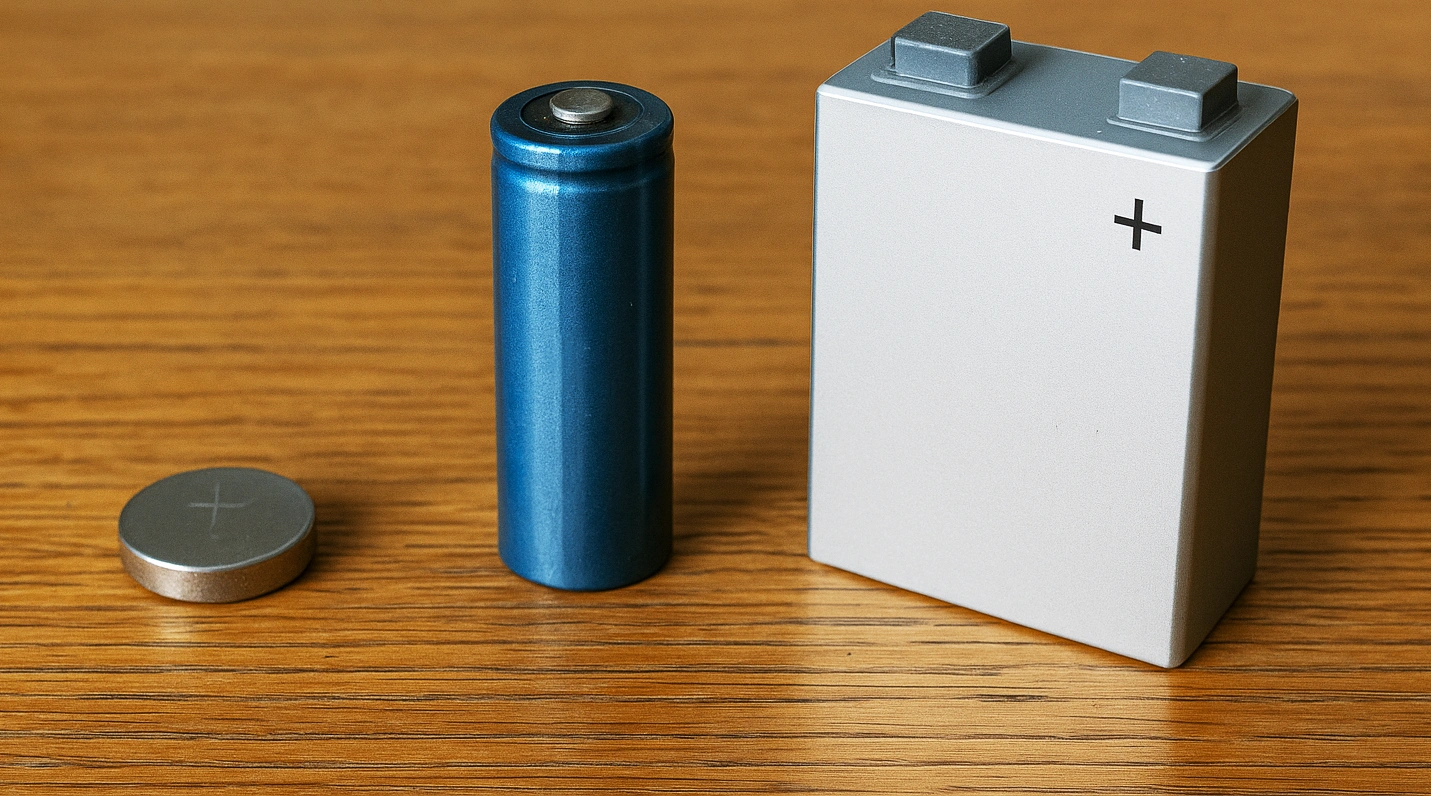

info@pknergybattery.com
Introduction to Sodium-ion Batteries
Sodium-ion batteries are emerging as a compelling alternative to lithium-ion technology, especially in applications where cost efficiency, resource availability, and low-temperature performance are critical. As global supply chains for lithium face pressure and the demand for cleaner, more affordable energy storage rises, sodium-ion batteries are positioned to play a growing role.
For a deeper look at product capabilities and applications, visit PKNERGY’s Sodium-ion Battery.
How Are Sodium-ion Batteries Made?
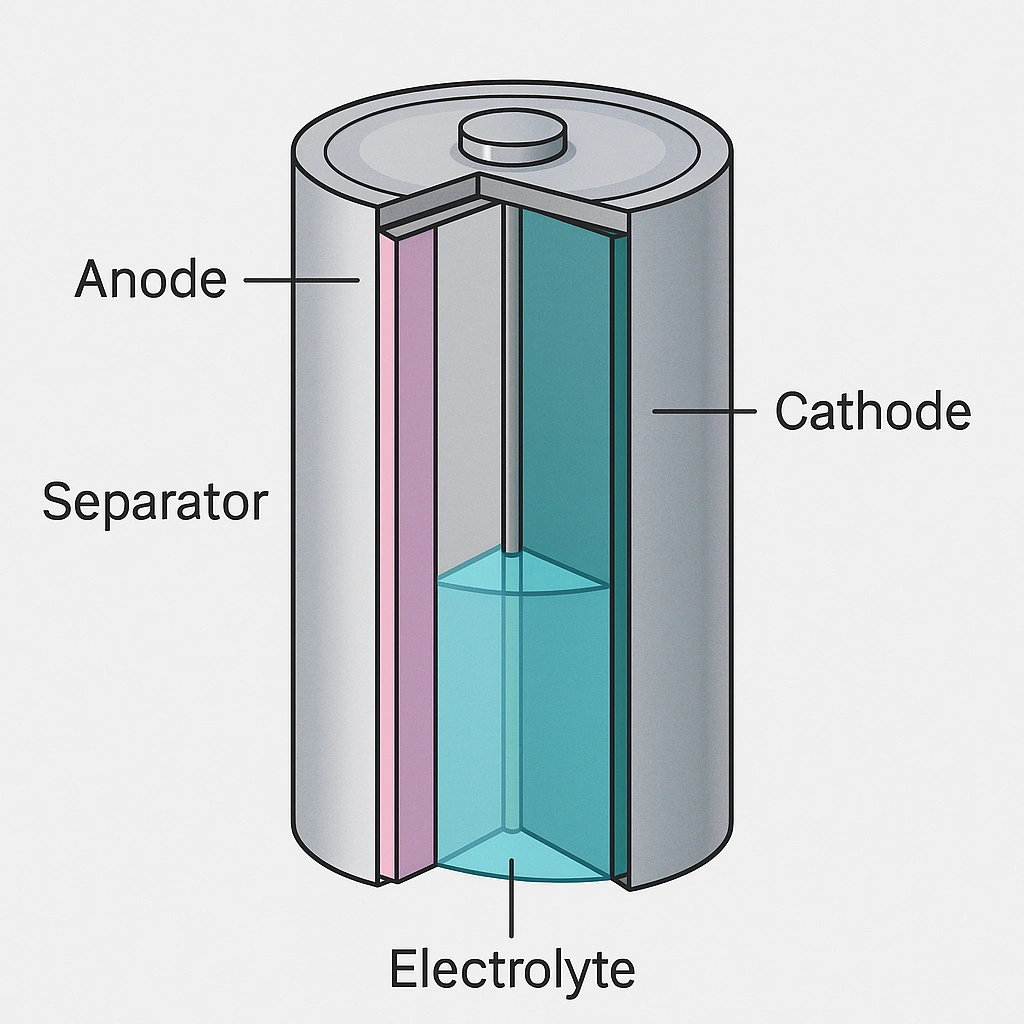
Sodium-ion batteries work similarly to lithium-ion batteries, but use sodium (Na+) ions instead of lithium (Li+) ions to carry charge between the anode and cathode during charging and discharging. Here’s a basic composition:
-
Anode: Hard carbon or soft carbon
-
Cathode: Sodium-based layered oxide, sodium iron phosphate (NaFePO₄)
-
Electrolyte: Sodium salt dissolved in an organic solvent
-
Separator: Polymer membrane
These materials are abundant, low-cost, and environmentally friendlier to extract than lithium, cobalt, or nickel.
Sodium-ion vs Lithium-ion Batteries: Key Differences
| Feature | Sodium-ion | Lithium-ion |
|---|---|---|
| Energy Density | Lower (~100–160 Wh/kg) | Higher (~200–260 Wh/kg) |
| Resource Availability | Abundant (Na is everywhere) | Limited (Li, Co, Ni are scarce) |
| Low-Temperature Use | Excellent (-20°C and below) | Moderate |
| Safety | More stable, less prone to fire | Needs strict BMS |
| Cost | Lower | Higher |
Sodium-ion batteries are ideal for stationary storage, two-wheelers, and grid applications where ultra-high energy density is not critical.
What Is the Lifespan of a Sodium-ion Battery?
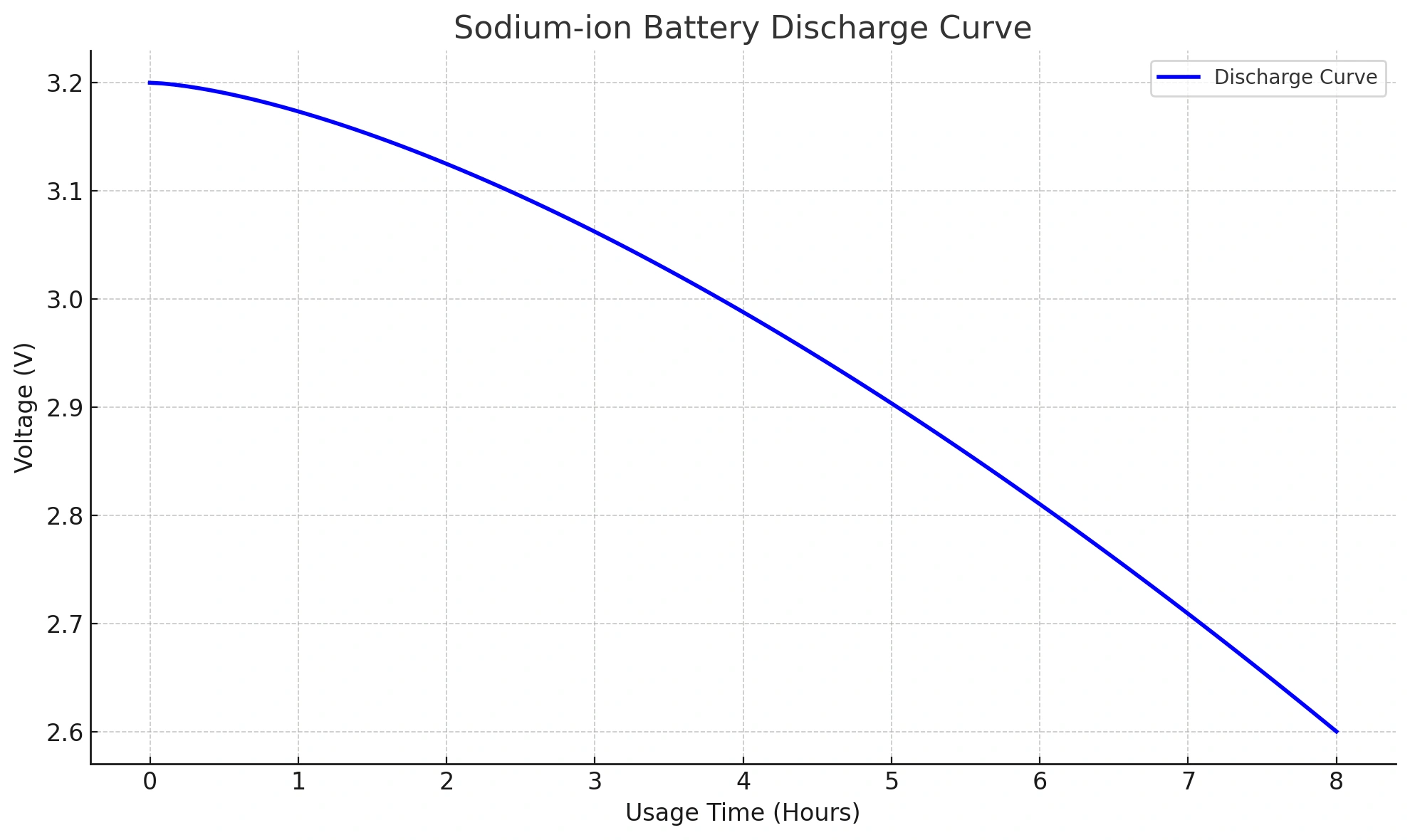
The typical lifespan of a sodium-ion battery ranges between 3,000 to 8,000 cycles, depending on chemistry and usage conditions. Advanced systems such as those using Prussian white cathodes or optimized NaFePO₄ formulations show improved cycle life, especially under extreme temperatures.
Compared to lithium batteries:
-
Lithium iron phosphate (LiFePO₄): 2,000–5,000 cycles
-
Sodium-ion: 3,000–8,000 cycles (at room or low temperatures)
For remote or outdoor installations, sodium-ion’s stable long-term performance makes it a strong contender.
Advantages of Sodium-ion Batteries
Sodium-ion batteries offer numerous benefits across cost, safety, and scalability:
-
Lower Cost: Uses readily available sodium, reducing raw material expenses.
-
Enhanced Safety: Reduced thermal runaway risk; better in hot climates.
-
Cold Climate Ready: Maintains capacity and discharge rates at subzero temperatures.
-
Eco-Friendly Mining: Sodium is easier and cleaner to extract than lithium or cobalt.
-
Grid Scalability: Excellent for large-scale, non-mobile energy storage systems.
Are Sodium-ion Batteries Bad for the Environment?
On the contrary—sodium-ion batteries are more environmentally sustainable than most lithium-based chemistries.
-
No cobalt or nickel: Avoids toxic mining and conflict mineral issues.
-
Lower carbon footprint: Na mining and processing require less energy.
-
Safer disposal: Sodium is less reactive and easier to neutralize at end-of-life.
As regulatory pressure increases on battery recycling and emissions, sodium-ion offers a greener path forward.
Why Don’t We Use Sodium-ion Batteries Widely Yet?
There are still barriers to mass adoption, though progress is rapid:
-
Lower energy density limits use in EVs with long range demands.
-
Fewer manufacturers and less supply chain maturity.
-
Limited consumer awareness compared to well-established lithium batteries.
-
Early-stage commercialization: Still scaling pilot production to GWh capacity.
That said, several key players—including CATL, Faradion, and PKNERGY—are investing heavily in production and R&D to bring sodium-ion into mainstream applications.
Conclusion and Future Outlook
Sodium-ion batteries are rapidly gaining attention as a viable, cost-effective, and sustainable alternative to lithium-ion—especially for stationary storage, mobility solutions, and cold climate use cases. While not ready to fully replace lithium in all applications, sodium technology will play a crucial role in regional energy transition strategies, particularly where affordability and safety are key.
As demand increases and technology matures, sodium-ion batteries could redefine the energy storage landscape over the next decade.
FAQ
Q1: Can sodium-ion batteries replace lithium-ion?
A: In certain applications like grid storage and low-speed EVs, yes. For high-energy mobile devices or EVs, lithium still leads.
Q2: What is the cycle life of sodium-ion batteries?
A: Typically between 3,000 and 8,000 charge cycles.
Q3: Who makes sodium-ion batteries?
A: Major developers include CATL, Faradion, HiNa Battery, and PKNERGY.
Q4: Are sodium-ion batteries cheaper than lithium?
A: Yes, due to lower raw material costs and simpler supply chains.

RELIABLE · ROBUST · POWERFUL
Copyright © 2026 Shenzhen Pknergy Energy Co Ltd . All Rights Reserved | Privacy Policy | Terms & Conditions | Cookie Policy