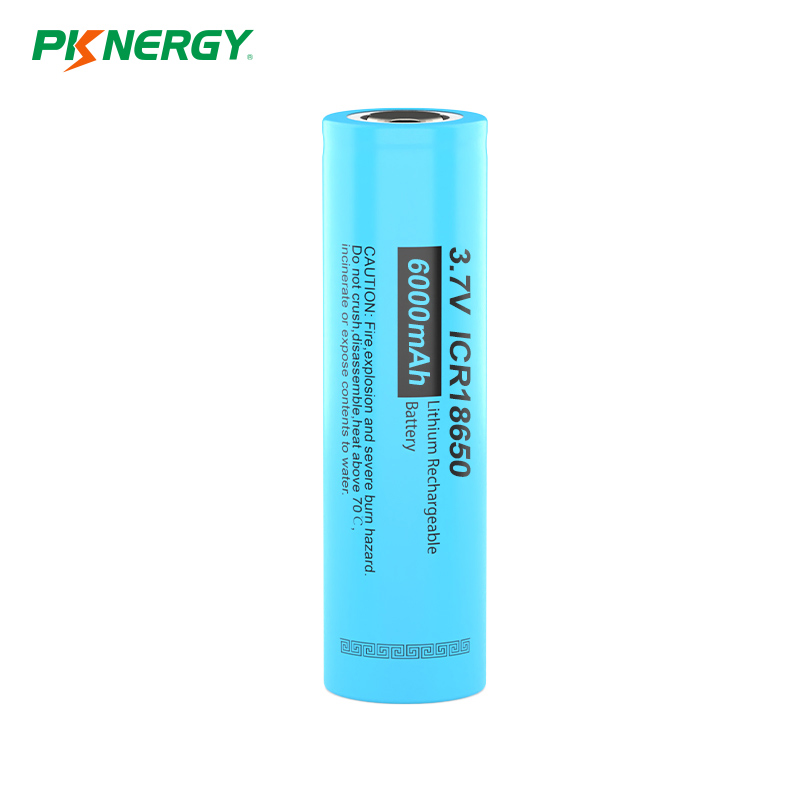
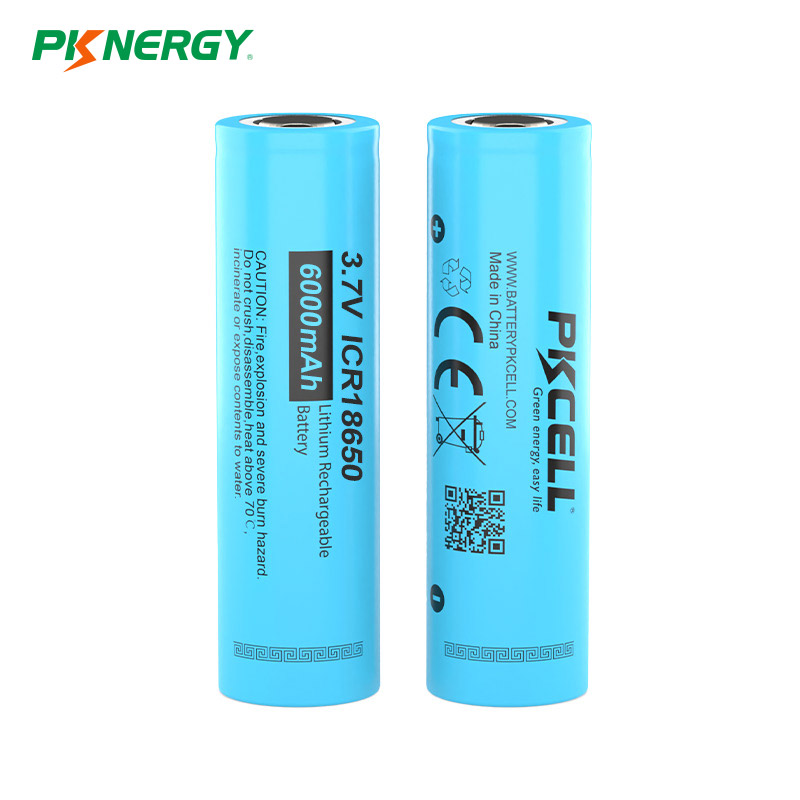
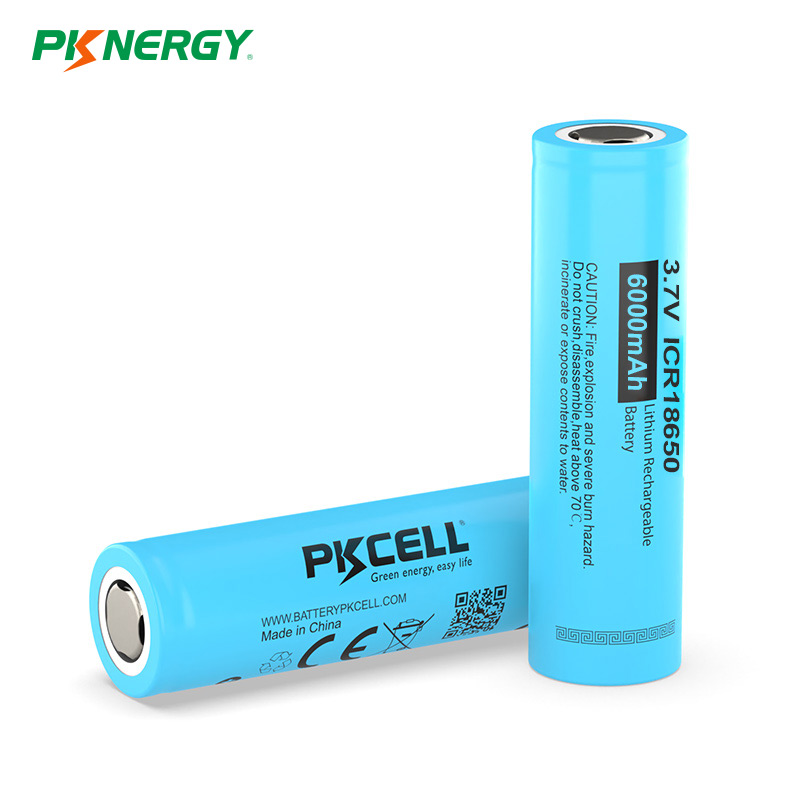
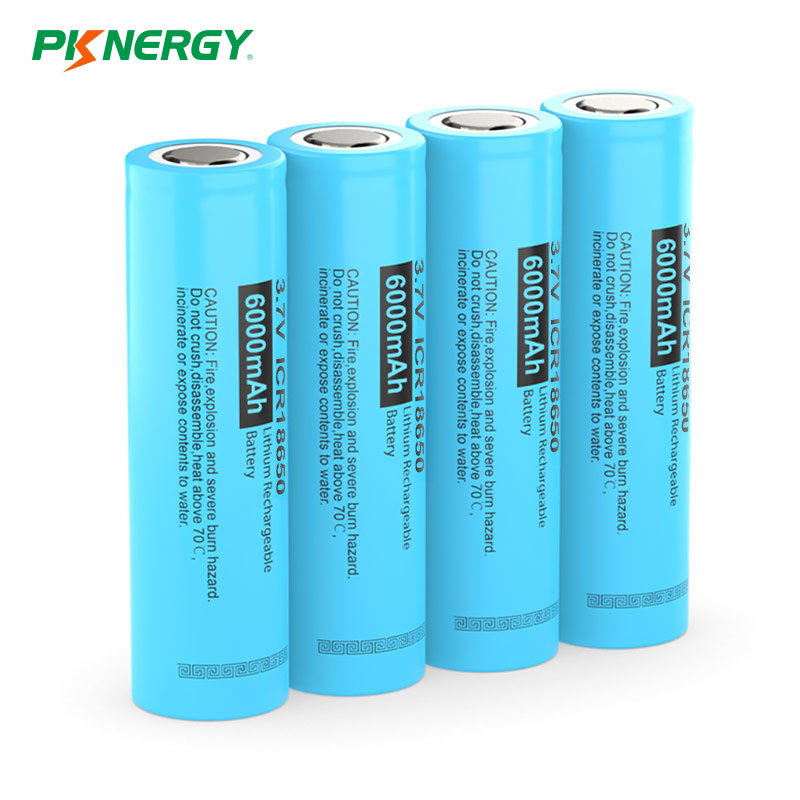
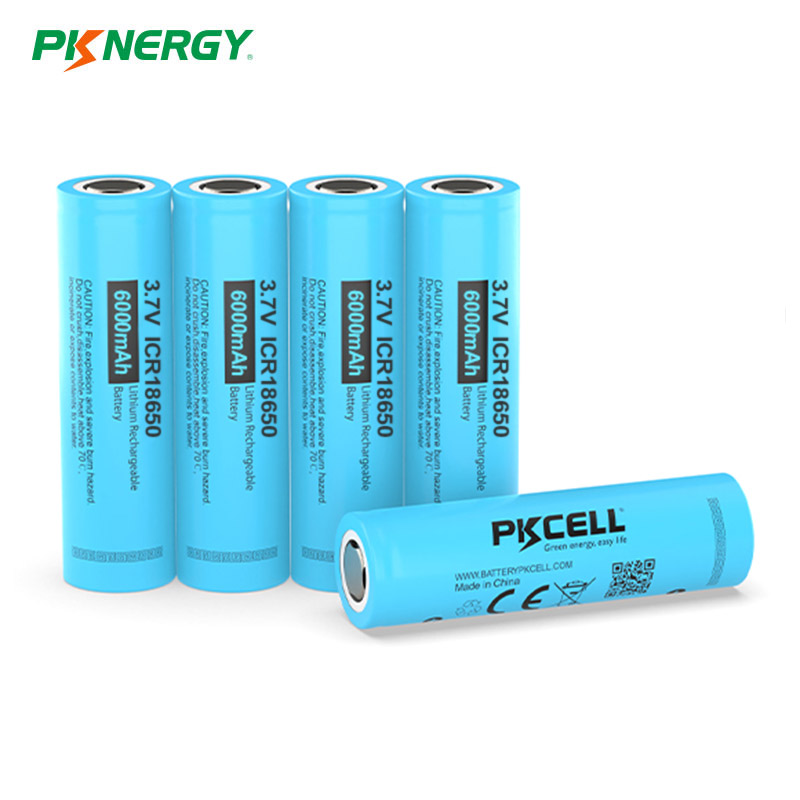
Lithium-Ion Battery
Approved IEC CE UL Certificates

Lithium-ion Battery
✔ High Energy Density – 6000mAh+ capacity for longer runtime, reducing replacements.
✔ Long Cycle Life – 1000+ charge cycles, ensuring durability.
✔ Stable High Discharge Rate – Consistent power output for high-performance devices.
✔ Wide Temperature Adaptability – Works reliably from -20℃ to 60℃.
✔ Advanced Safety Protection – Intelligent BMS prevents overcharging & short circuits.
? Custom voltage, capacity & BMS solutions available.
? Contact us today for a tailored battery solution!
| NO. | ITEM | CHARACTERISTICS | REMARKS |
|---|---|---|---|
| 1 | Nominal Capacity | Minimum: 5800mAh Typical: 6000mAh | Standard discharge (0.2C) after standard charge |
| 2 | Nominal Voltage | 3.7V | — |
| 3 | Charging Cut-off Voltage | 4.2V ± 0.05V | CC/CV Charging |
| 4 | Discharge Cut-off Voltage | 3.0V | — |
| 5 | Standard Charge | Constant Current 0.2C (1200mA) Constant Voltage 4.2V 0.02C cut-off (120mA) | Charge Time: Approx. 6~7h |
| 6 | Maximum Constant Charging Current | 1500mA (0.25C) | Recommended ≤1200mA for longer cycle life |
| 7 | Standard Discharge | Discharge at 0.2C (1200mA) to 3.0V | At 25℃ |
| 8 | Maximum Continuous Discharging Current | 3000mA (0.5C) | Recommended continuous discharge ≤2000mA |
| 9 | Operating Temperature | Charge: 0~45℃ Discharge: -20~60℃ | — |
| 10 | Storage Temperature | -20~45℃ for 1 Month -10~35℃ for 6 Months | Recommended storage at 40~60% SOC |
| 11 | Storage Voltage | 3.7~3.85V | — |
| 12 | Environmental Request | RoHS | Product and packaging comply with RoHS standards |
Electrochemical performance characteristics
| No. | Item | Testing Method | Requirements |
|---|---|---|---|
| 1 | Fully Charged State | CCCV charge to 4.2V at 0.5C (3000mA), followed by constant voltage charging at 4.2V until current drops below 0.02C (120mA). | — |
| 2 | Rated Capacity | Charge per Item 1 at room temperature (20±5℃), rest for 1~2 hours, then discharge at constant current 0.2C (1200mA) to 3.0V. Testing terminates after 5 cycles or when any discharge time exceeds 5 hours. | Minimum Capacity ≥5800mAh Typical Capacity ≥6000mAh |
| 3 | Cycle Life @25℃ | Discharge at 0.2C (1200mA) to 3.0V, then charge using 0.5C CCCV to 4.2V with cut-off current 0.02C (120mA). Rest 10 min between charge/discharge cycles. Continue cycles until discharge capacity falls below 80% of rated capacity. | Cycle Life ≥300 Cycles |
| 4 | Internal Impedance | Internal impedance measured on a 50% charged battery at 1KHz AC at ambient temperature (20±2℃). | ≤120mΩ |
| 5 | Capacity Retention | Fully charge cells per Item 1, store at (20±2℃) for 28 days, then discharge at 0.2C (1200mA) to 3.0V. | Discharge Capacity ≥5100mAh |
| 6 | High Temperature Characteristics | Fully charge cells per Item 1, store at (55±2℃) for 2 hours, then discharge at 0.2C (1200mA) to 3.0V. | Discharge Capacity ≥4500mAh |
| 7 | Low Temperature Characteristics | Fully charge cells per Item 1, store at (-10±2℃) for 16~24 hours, then discharge at 0.2C (1200mA) to 3.0V. | Discharge Capacity ≥3600mAh |
| 8 | Cell Voltage during Transportation | Check open circuit voltage (OCV) of cells prior to delivery to customers. | 3.70V ~ 3.85V |
Warranty
The warranty period for this product is 1 year from the date the product left the manufacturer’s door.
Battery Packing Label
The following warnings should be indicated on the battery pack labels.








1. What are the typical applications of lithium-ion batteries?
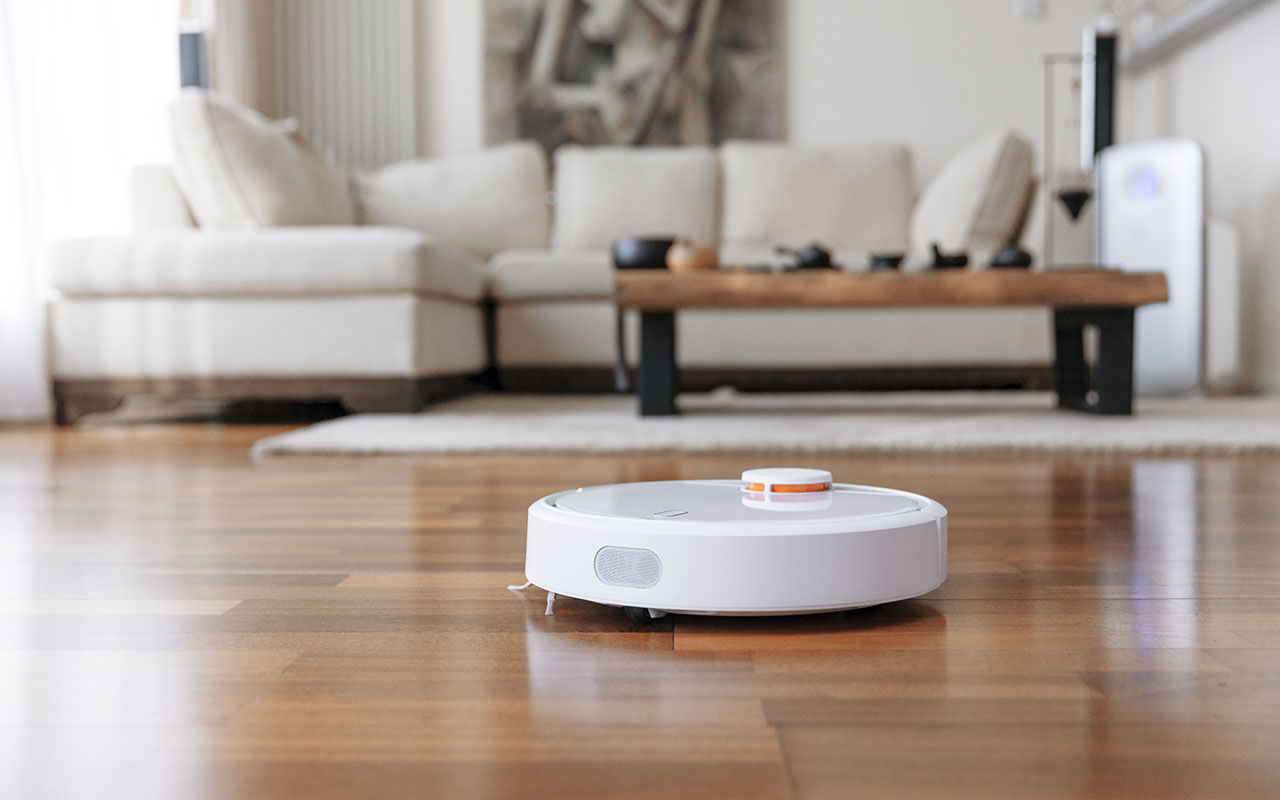
Lithium-ion batteries are widely used in various industries, including consumer electronics, renewable energy systems, medical devices, and industrial equipment. Their high energy density, long cycle life, and lightweight properties make them ideal for powering a wide range of applications.
2. How do I choose the right lithium-ion battery for my project?
Choosing the right lithium-ion battery depends on factors like voltage, capacity, discharge rate, and environmental conditions. Our team of experts can assist you in selecting the optimal battery based on your specific needs and application requirements.
3. What are the benefits of using lithium-ion batteries for industrial applications?
Lithium-ion batteries offer numerous benefits for industrial applications, including high energy density, long-lasting performance, fast charging, low maintenance costs, and compact size. These features improve efficiency and reduce overall operational costs in industrial settings.
4. What warranty do you offer on lithium-ion batteries?
PKNERGY offers a standard warranty on all lithium-ion batteries, typically covering manufacturing defects and performance issues. The specific warranty terms may vary depending on the battery model and application. Please contact us for detailed warranty information for your selected product.

 LP107110300 3.5V 80Ah Lithium-ion Pouch Cell
Scroll to top
LP107110300 3.5V 80Ah Lithium-ion Pouch Cell
Scroll to top